Case: Manufacturing a Mold Component from Aluminum for Rotomolding
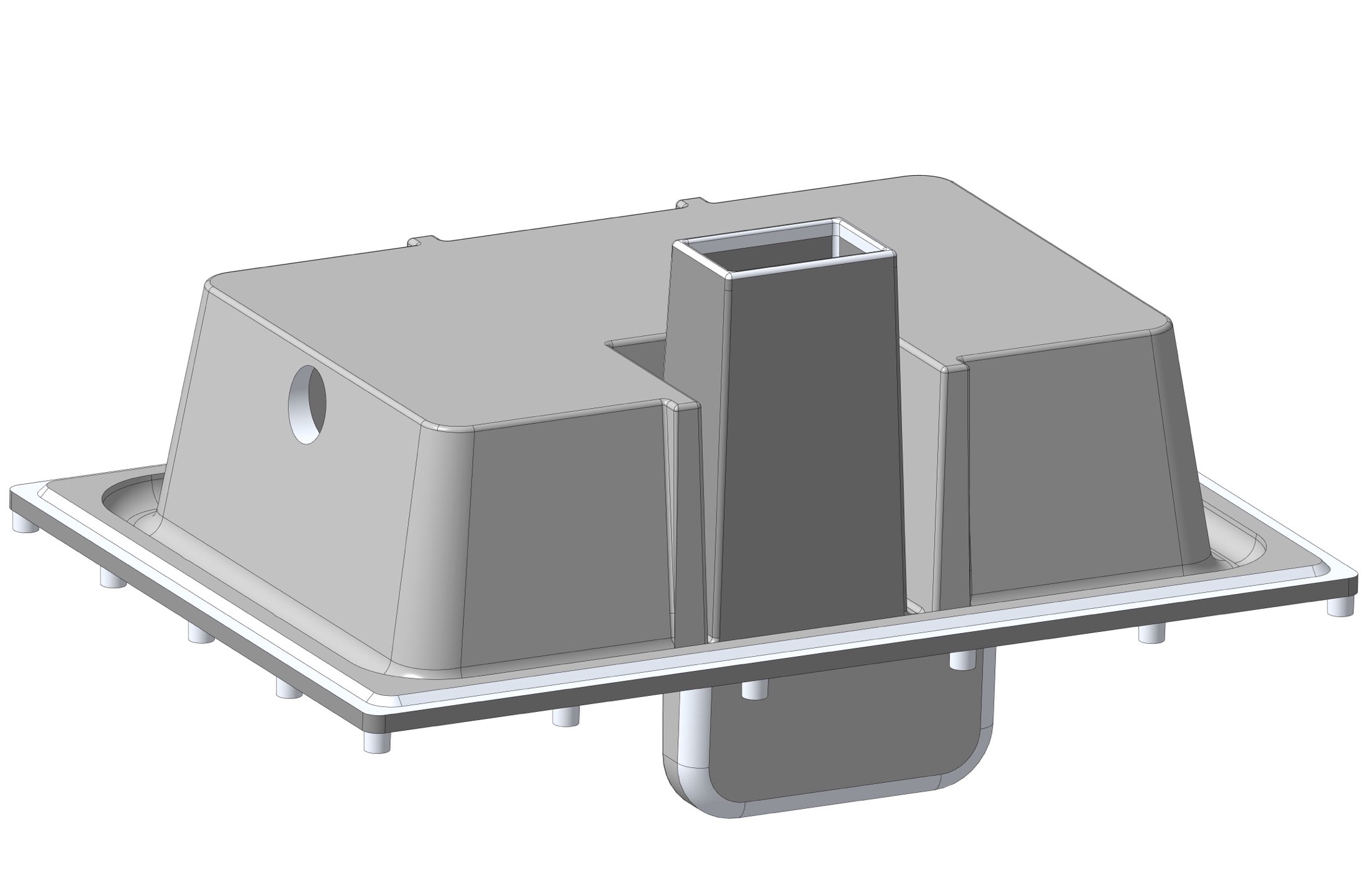
1. Development of the CAD Model of the Product (overall dimensions:
1000×750×550 mm)
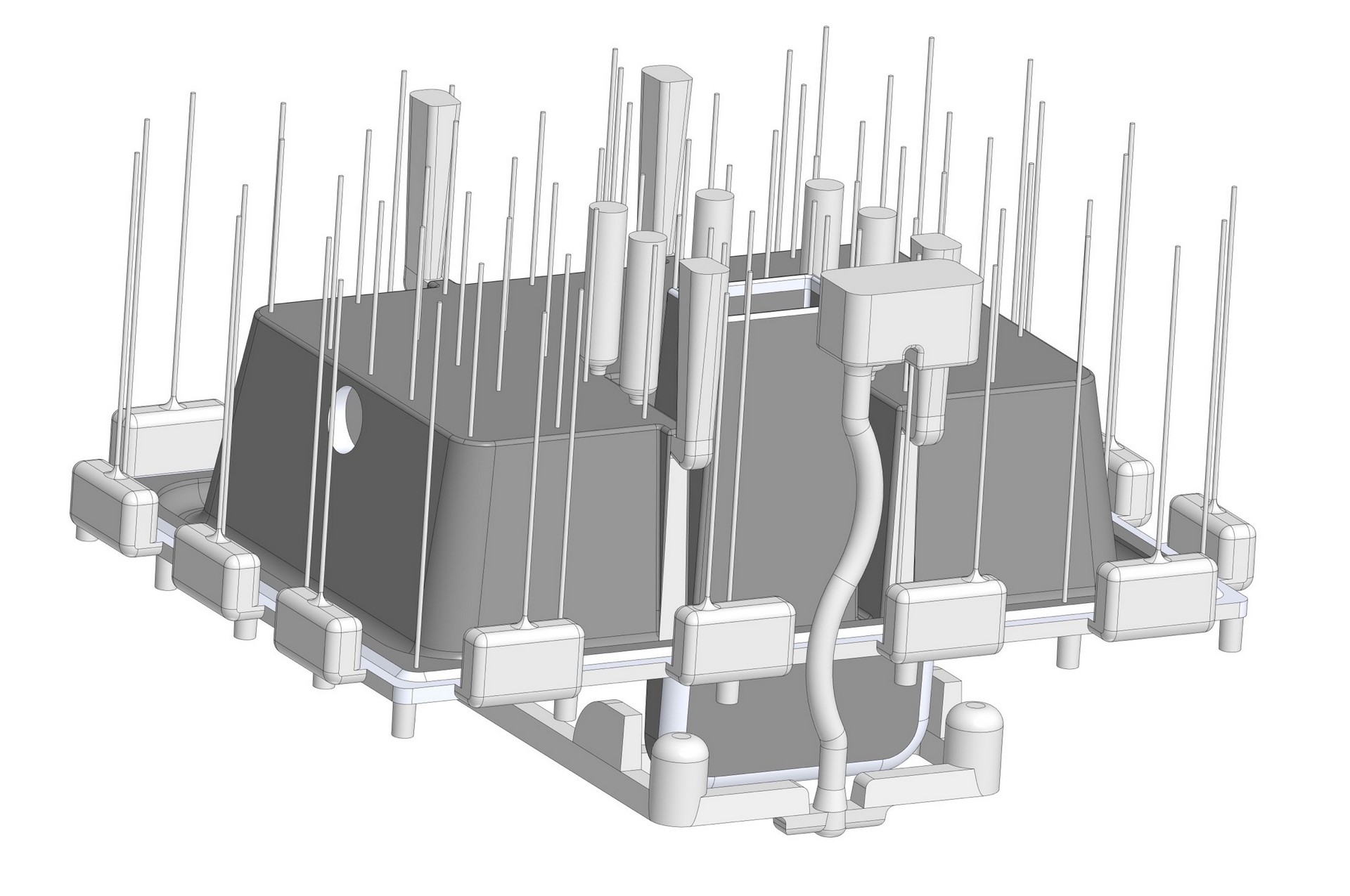
2. Development and Optimization of the Casting Technology
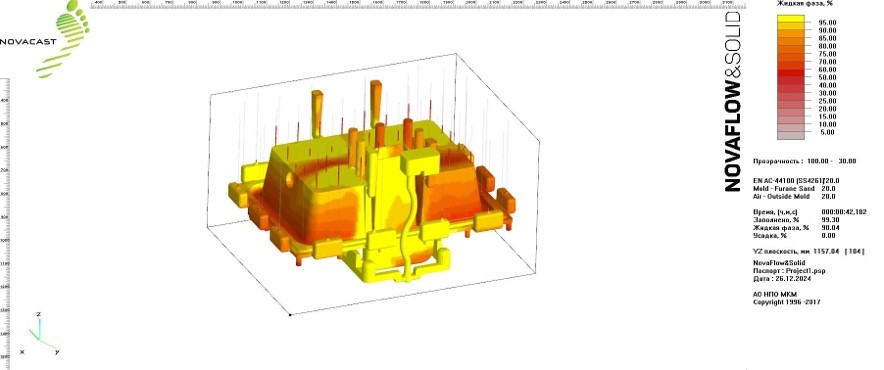
3.Simulation
of Metal Pouring Using NovaCast Software
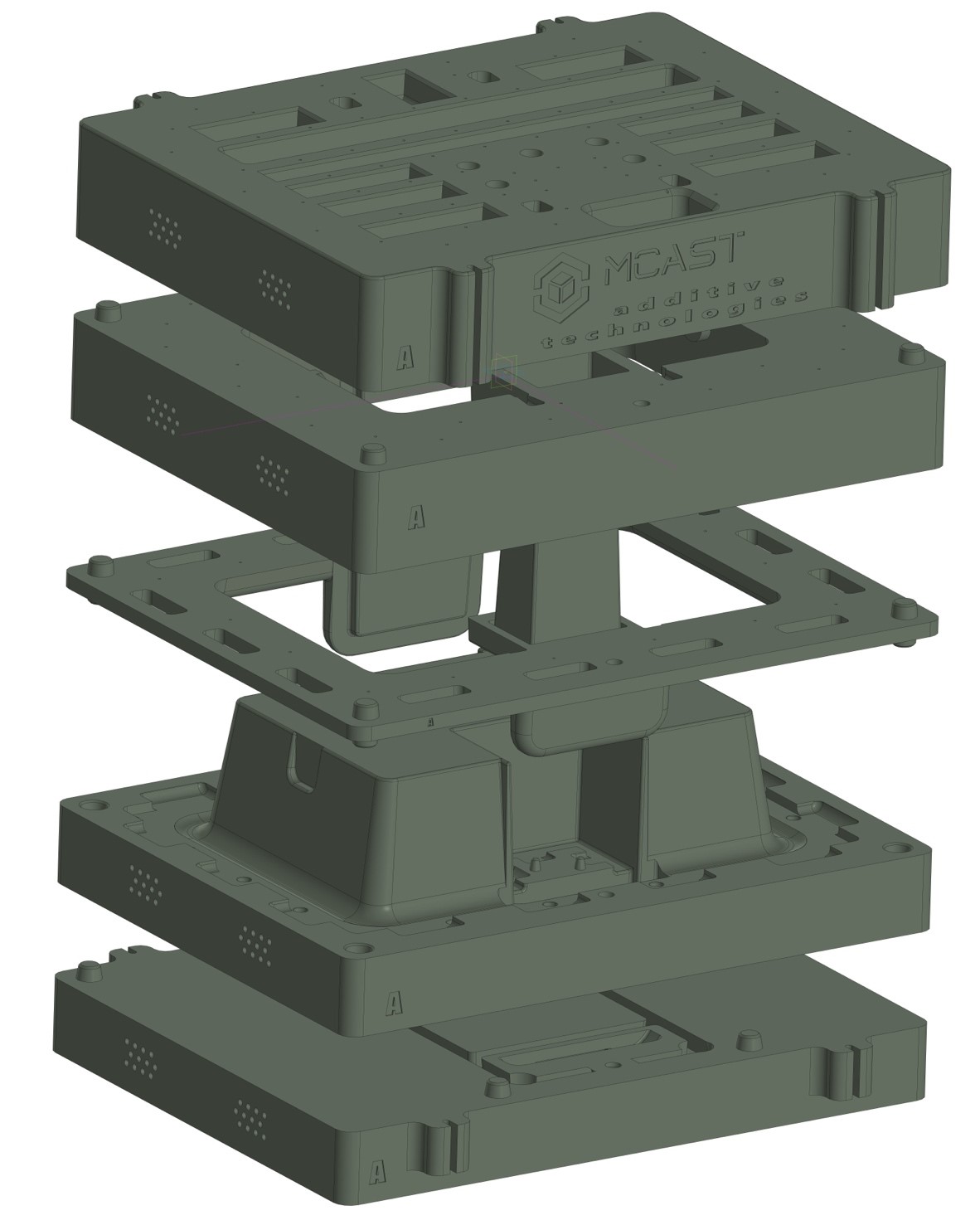
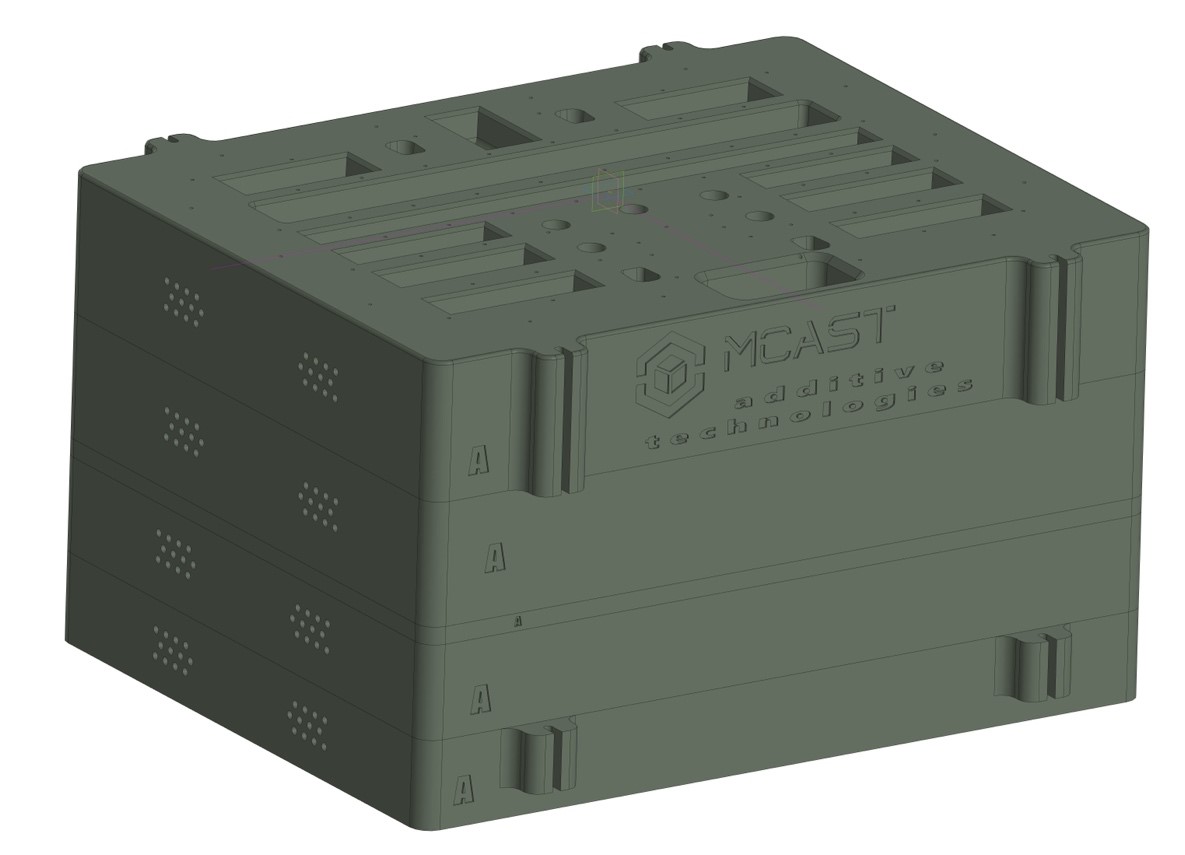
4.Design of Sand Casting Molds and Cores
Assembled
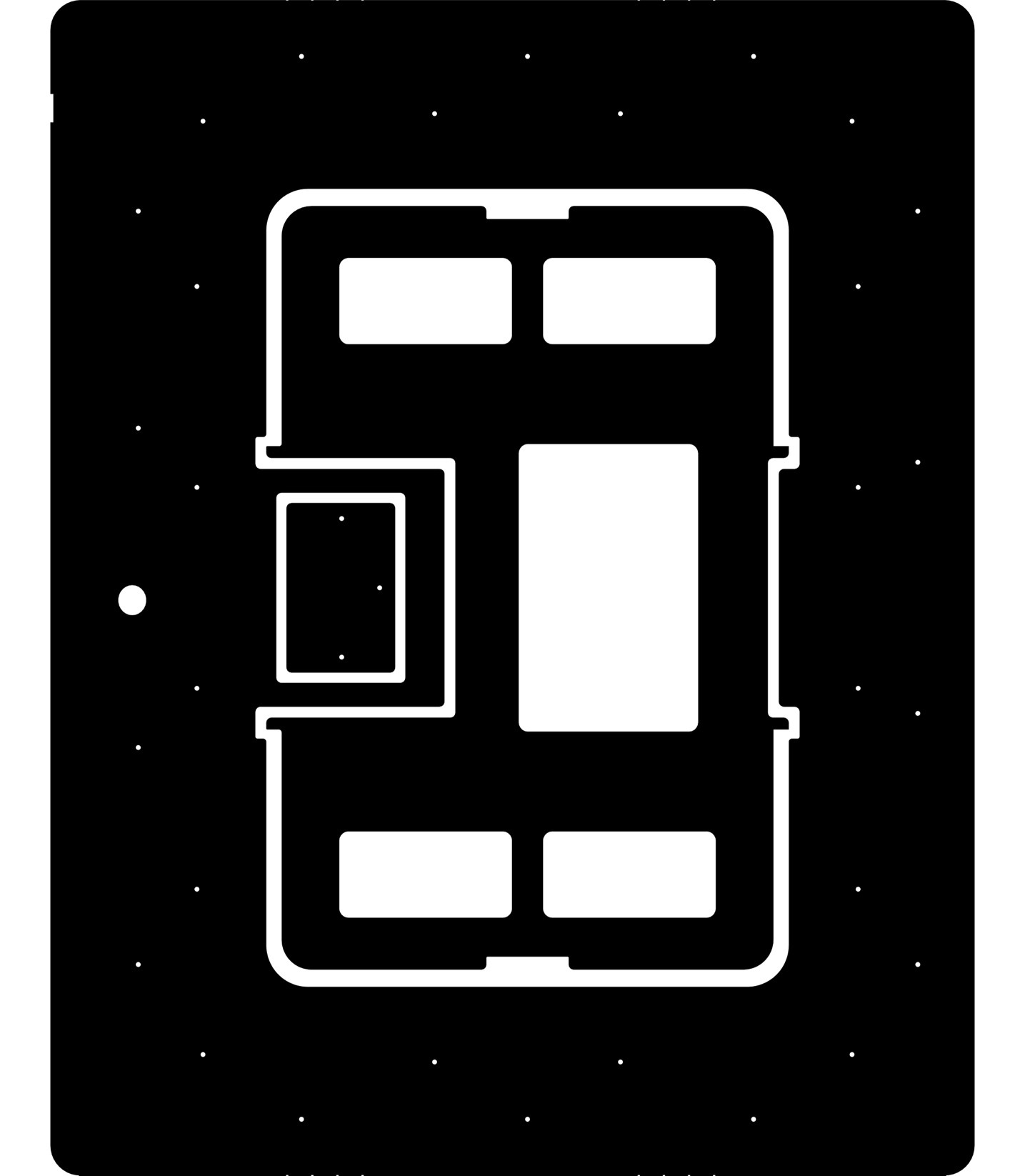
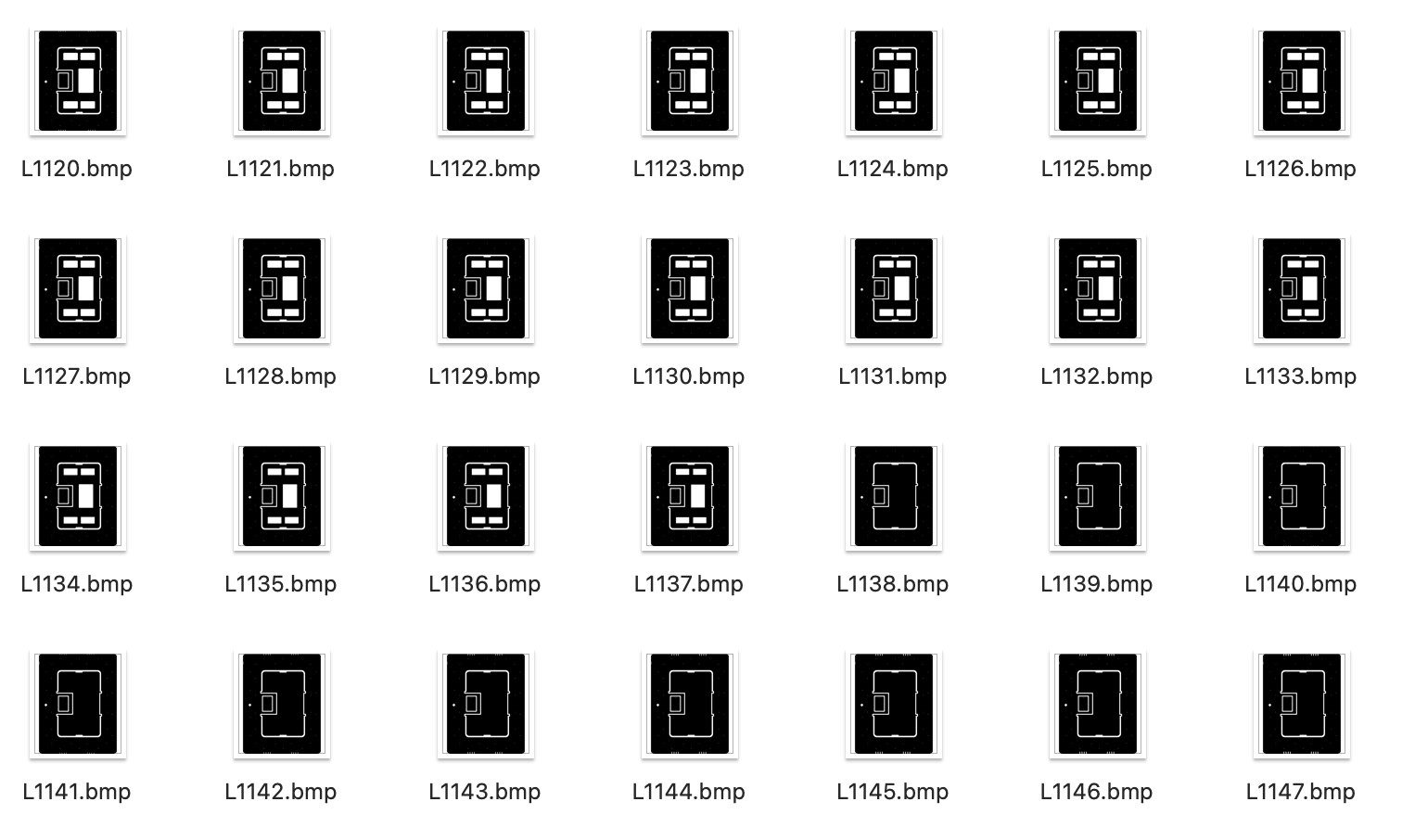
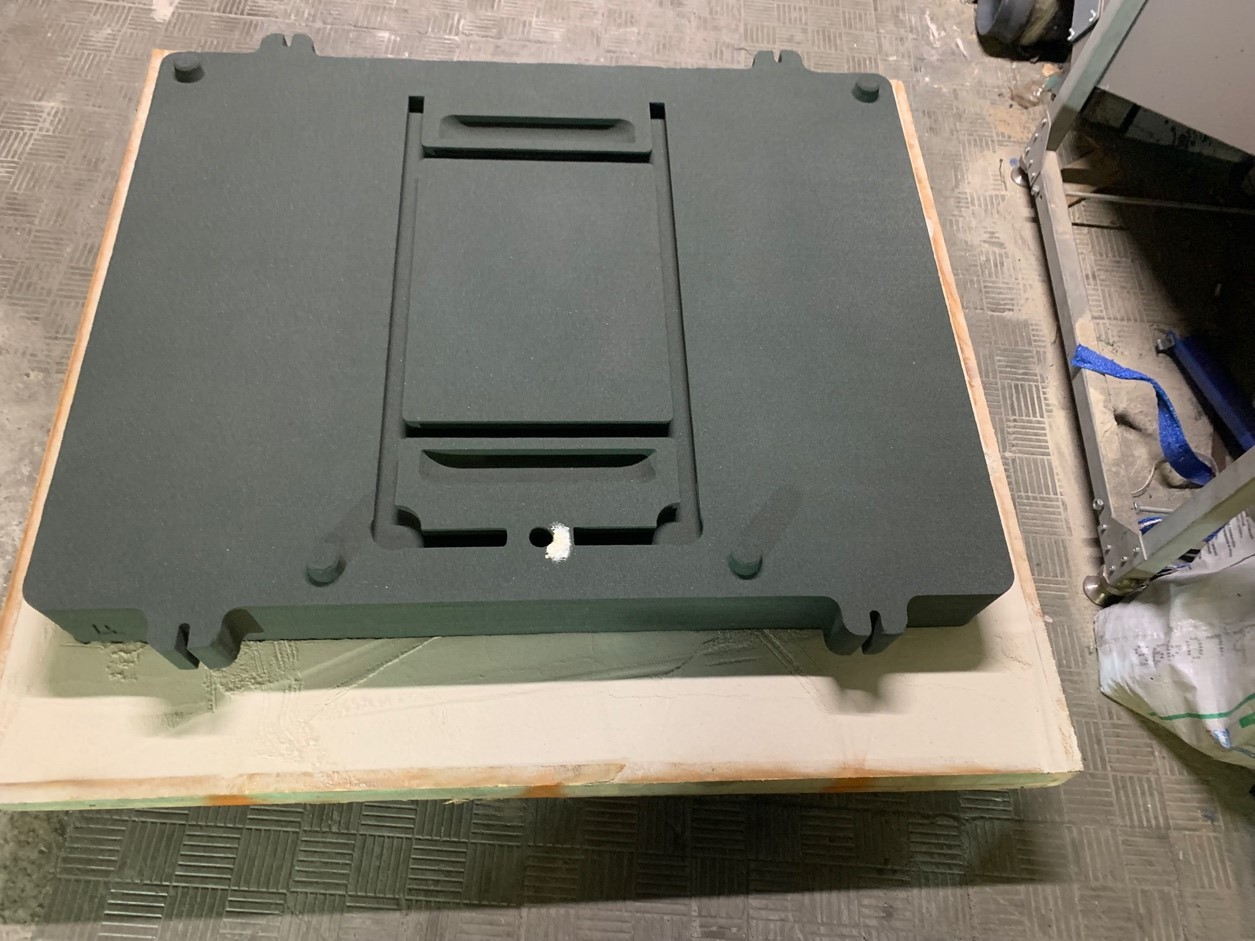
5.Layer-by-layer cutting (slicing) of 3D models of casting molds into 2D
images (slices).
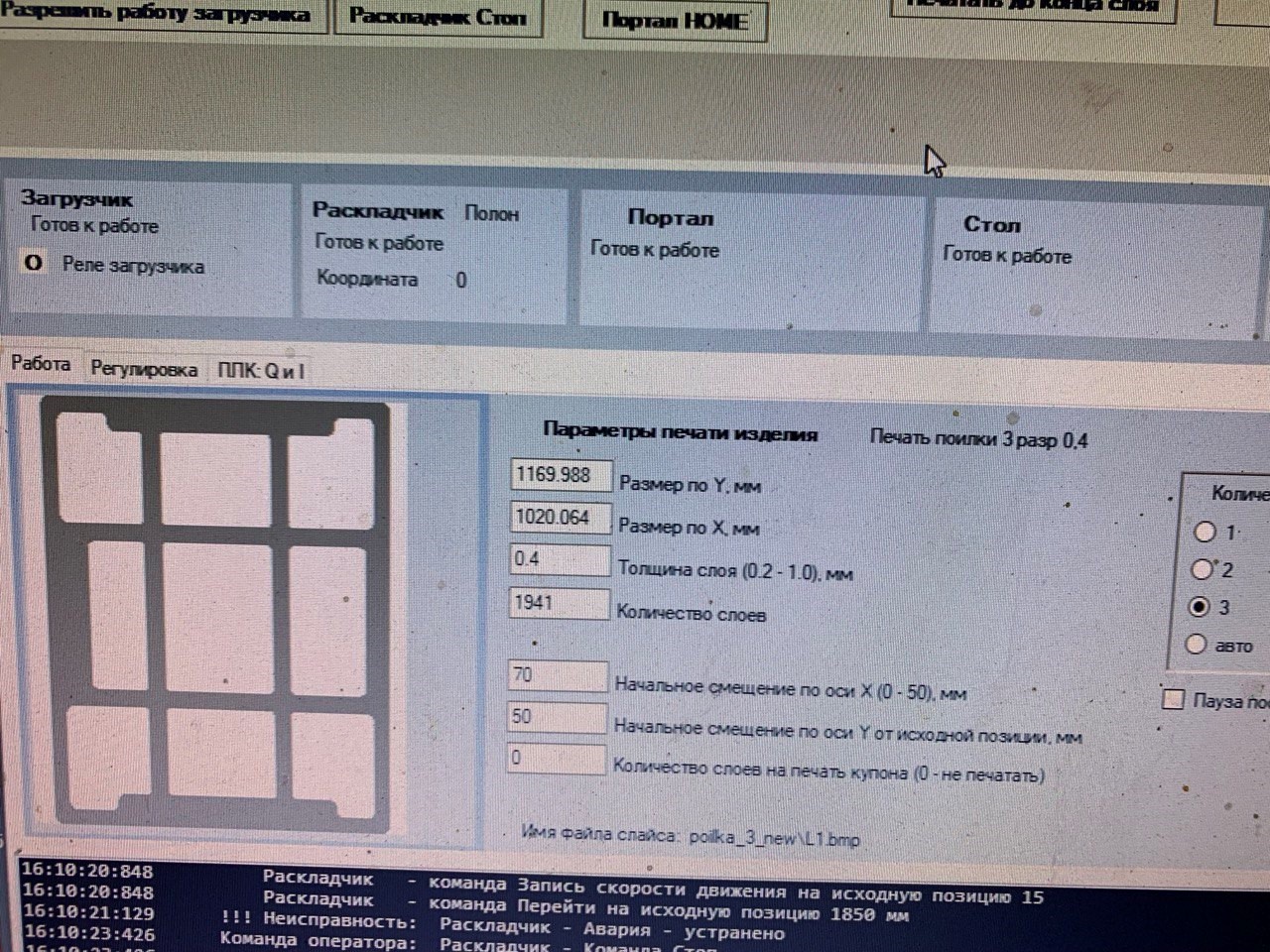
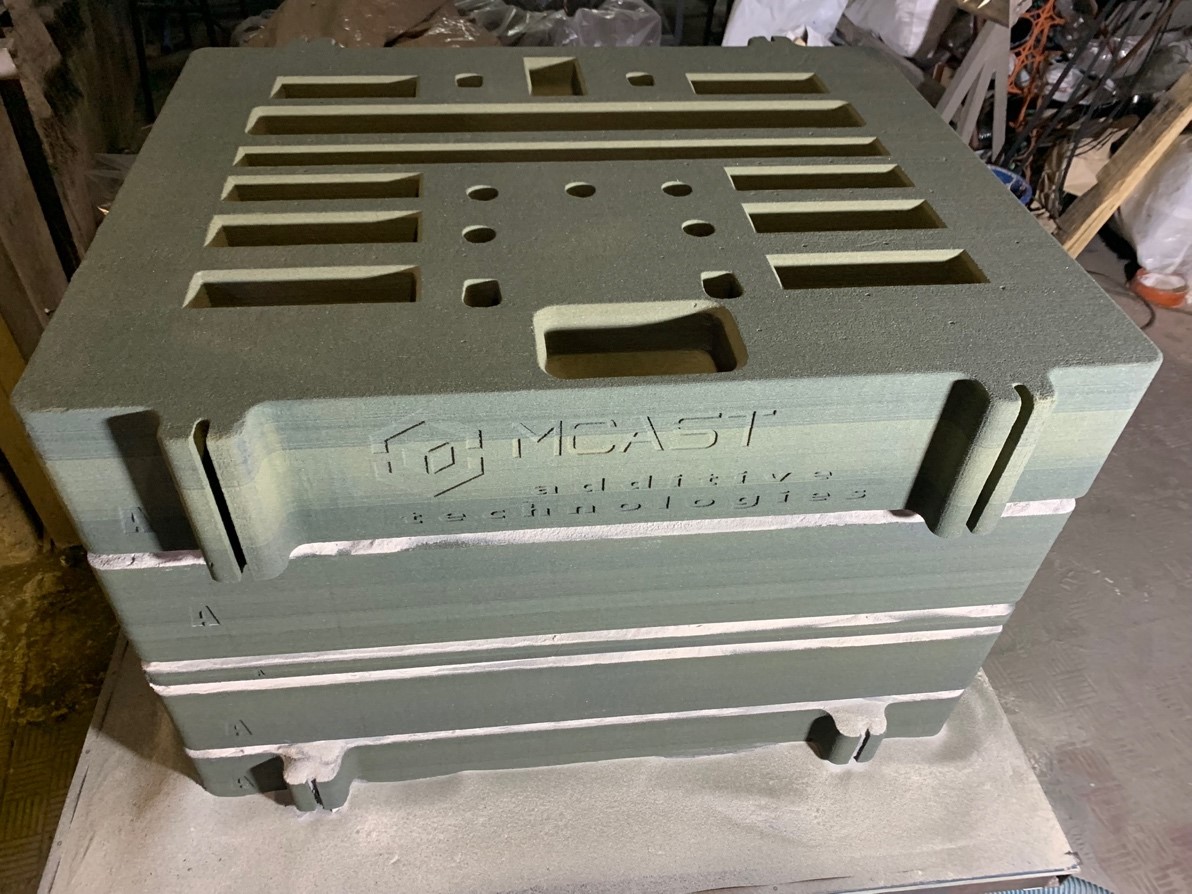
6.Loading slices into the F-1200 3D sand printer software.
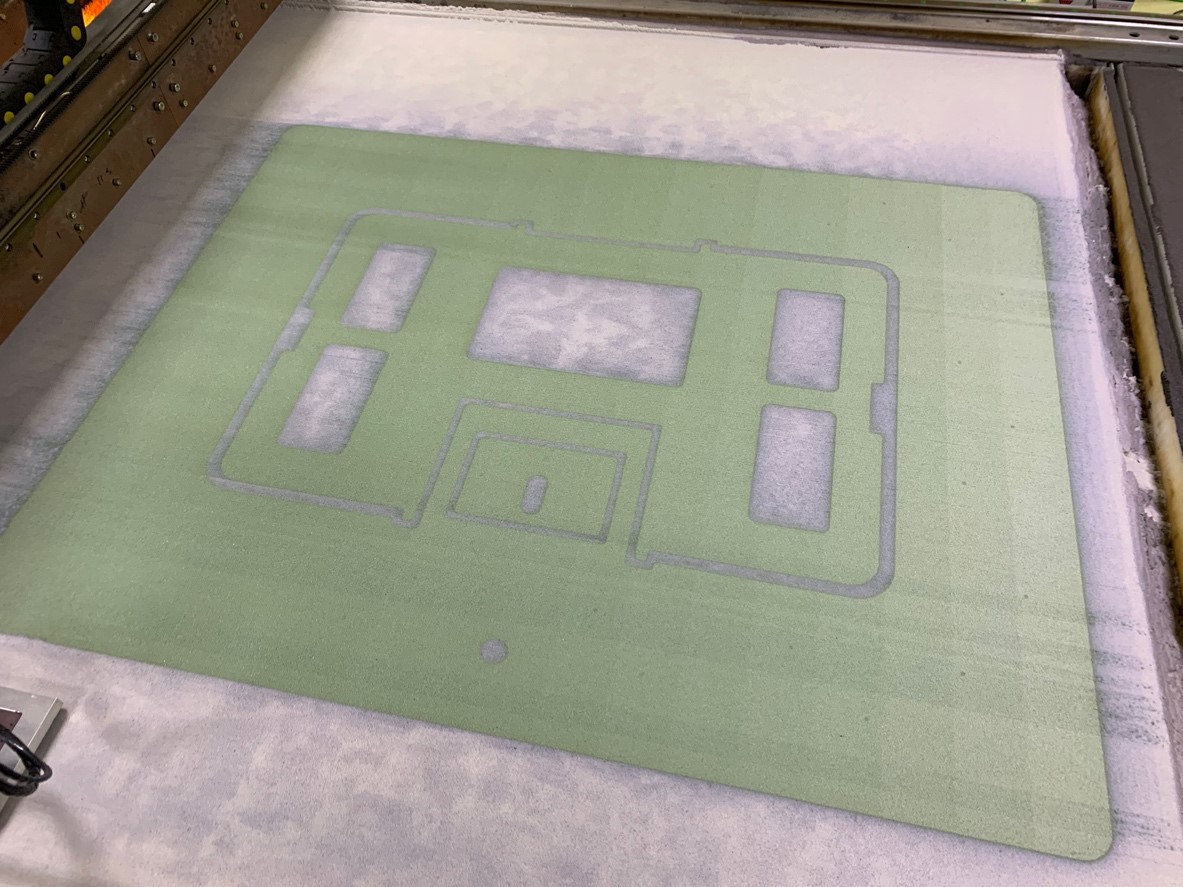
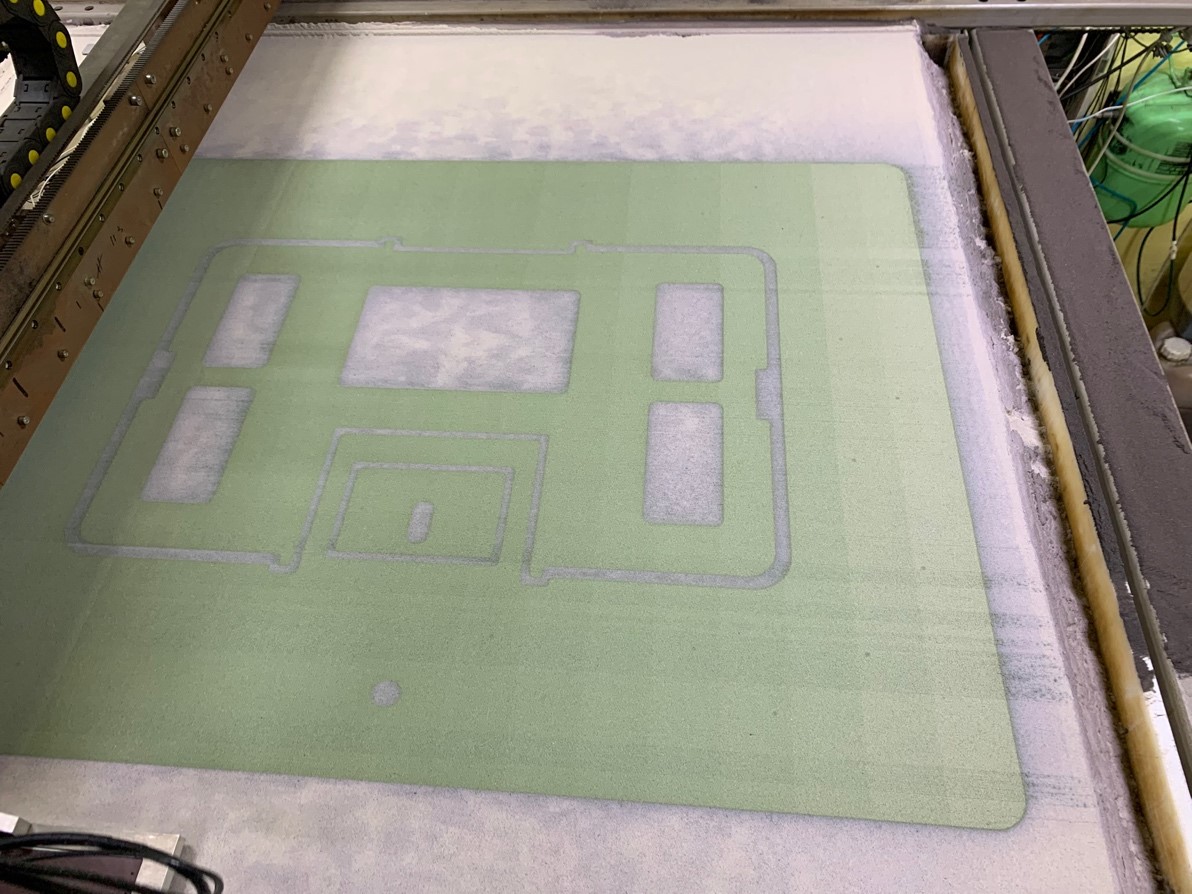
7. Utilizing Binder Jetting technology, 3D
printing of casting molds and cores from sliced models is achieved by deposition
furan resin layer-by-layer onto quartz sand (0.2 mm average grain
size)pre-mixed with a catalyst. This process is similar to «Cold box» furan
process for metal casting
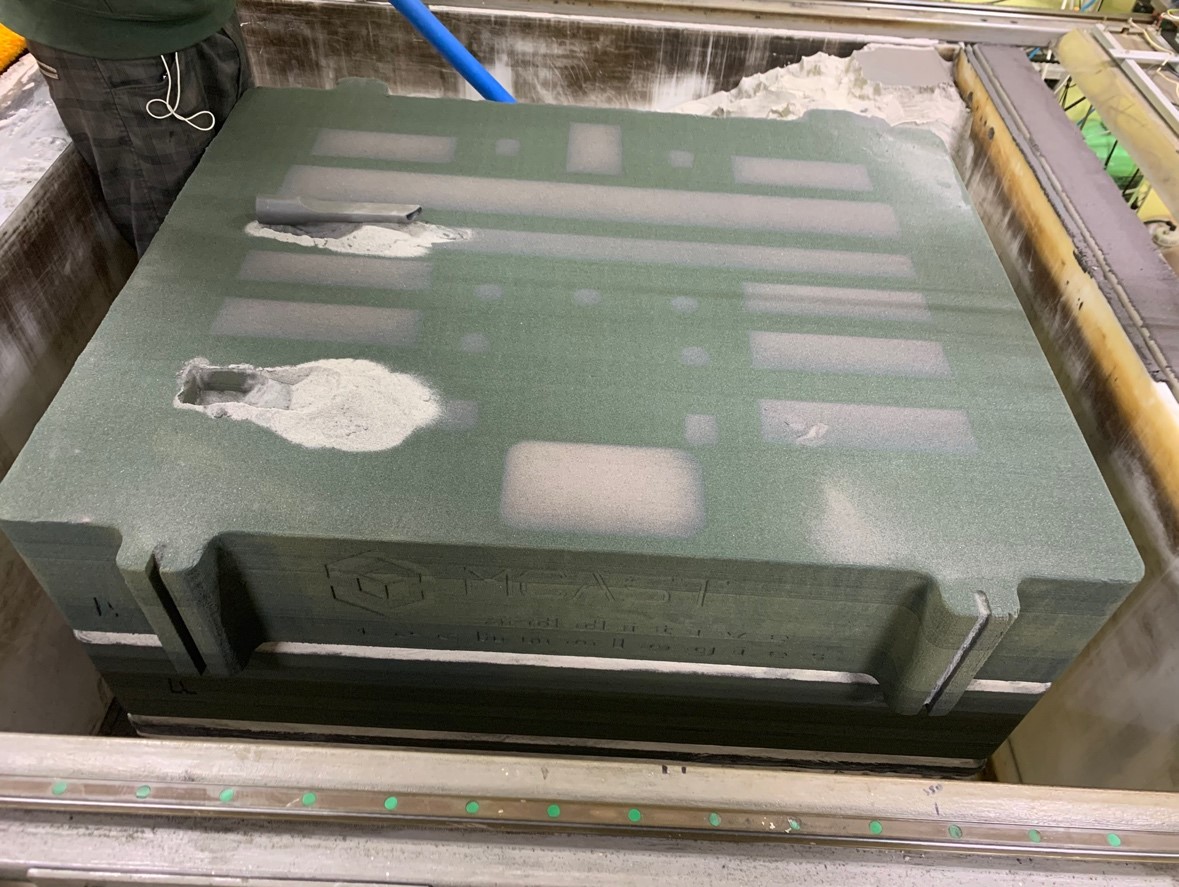
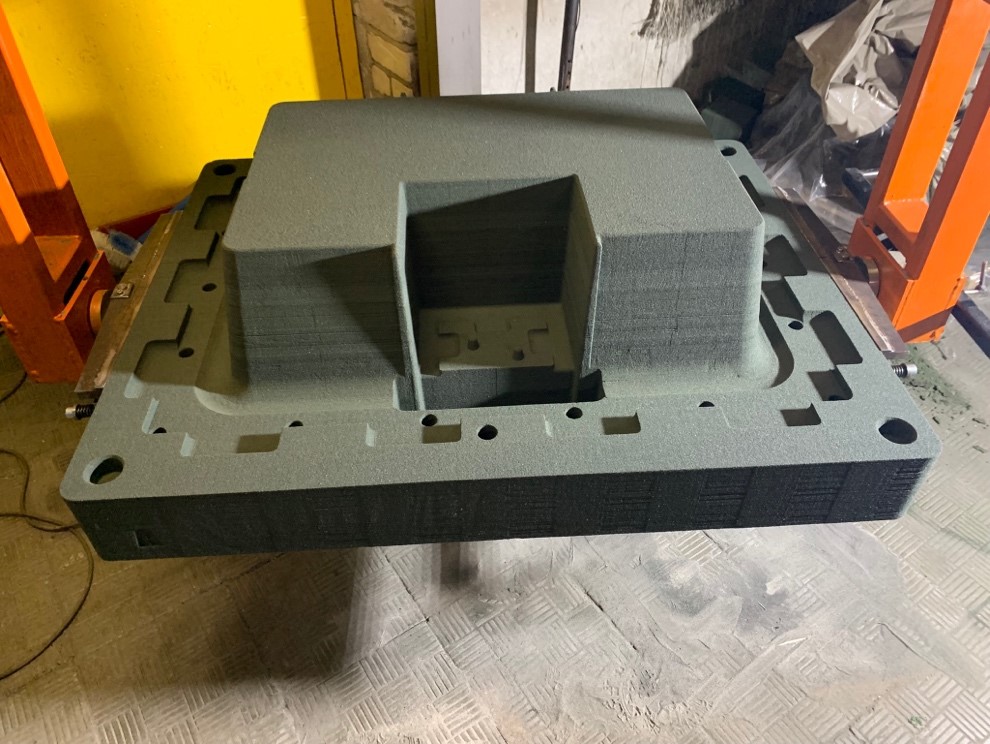
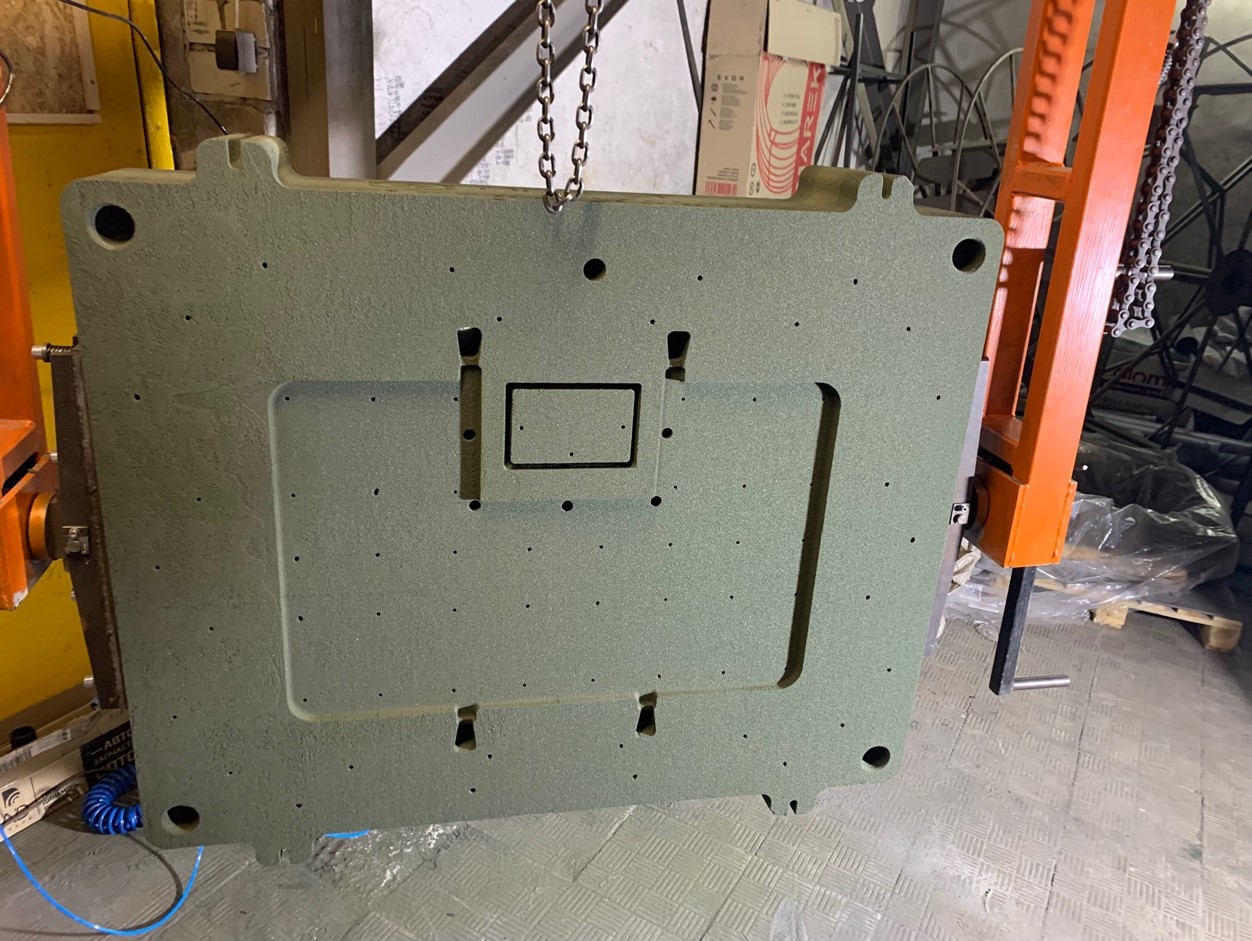
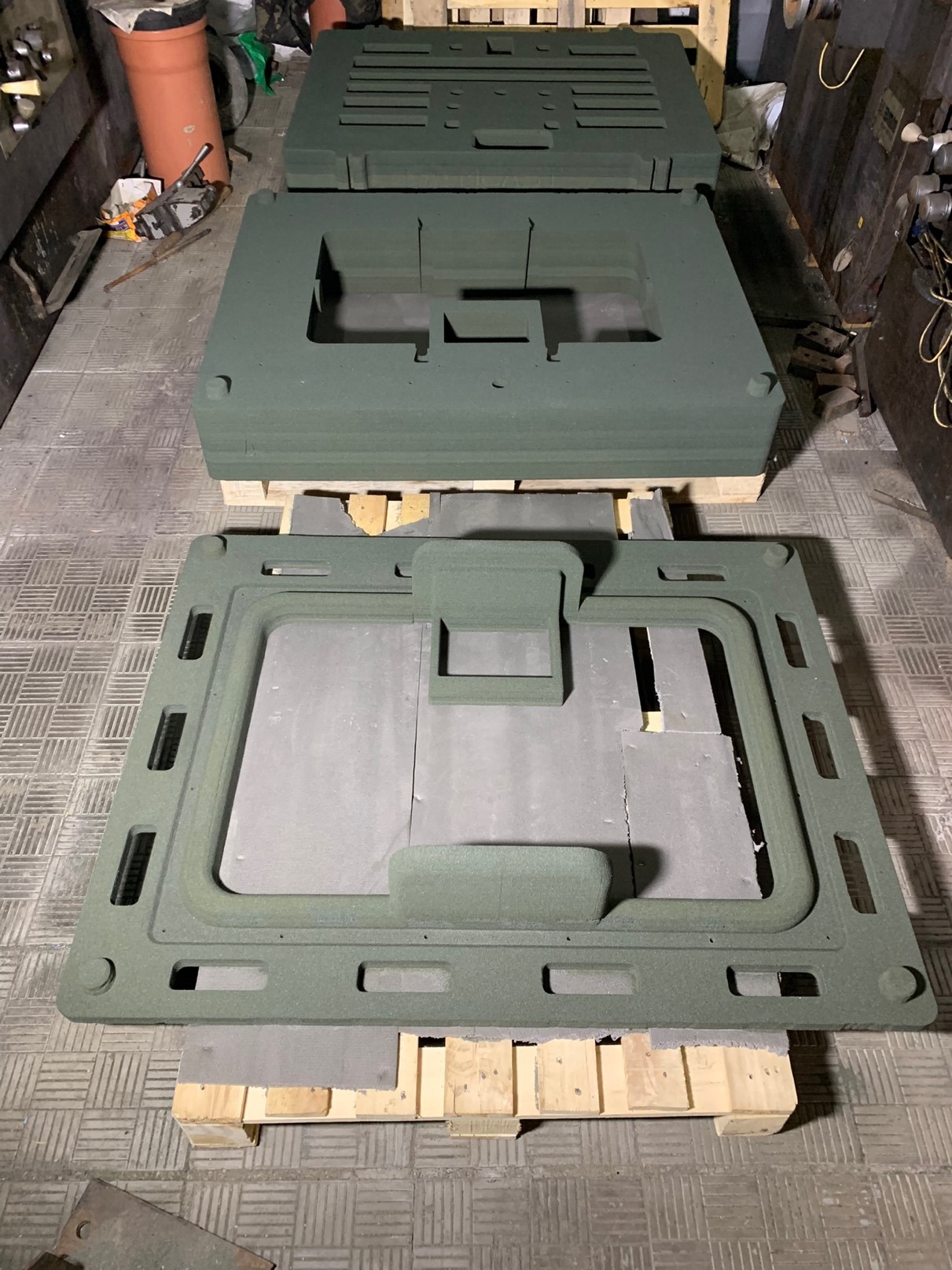
8.Upon print complete,
unbound sand is removed from the build chamber, molds and cores are extracted and
disassembled for cleaning
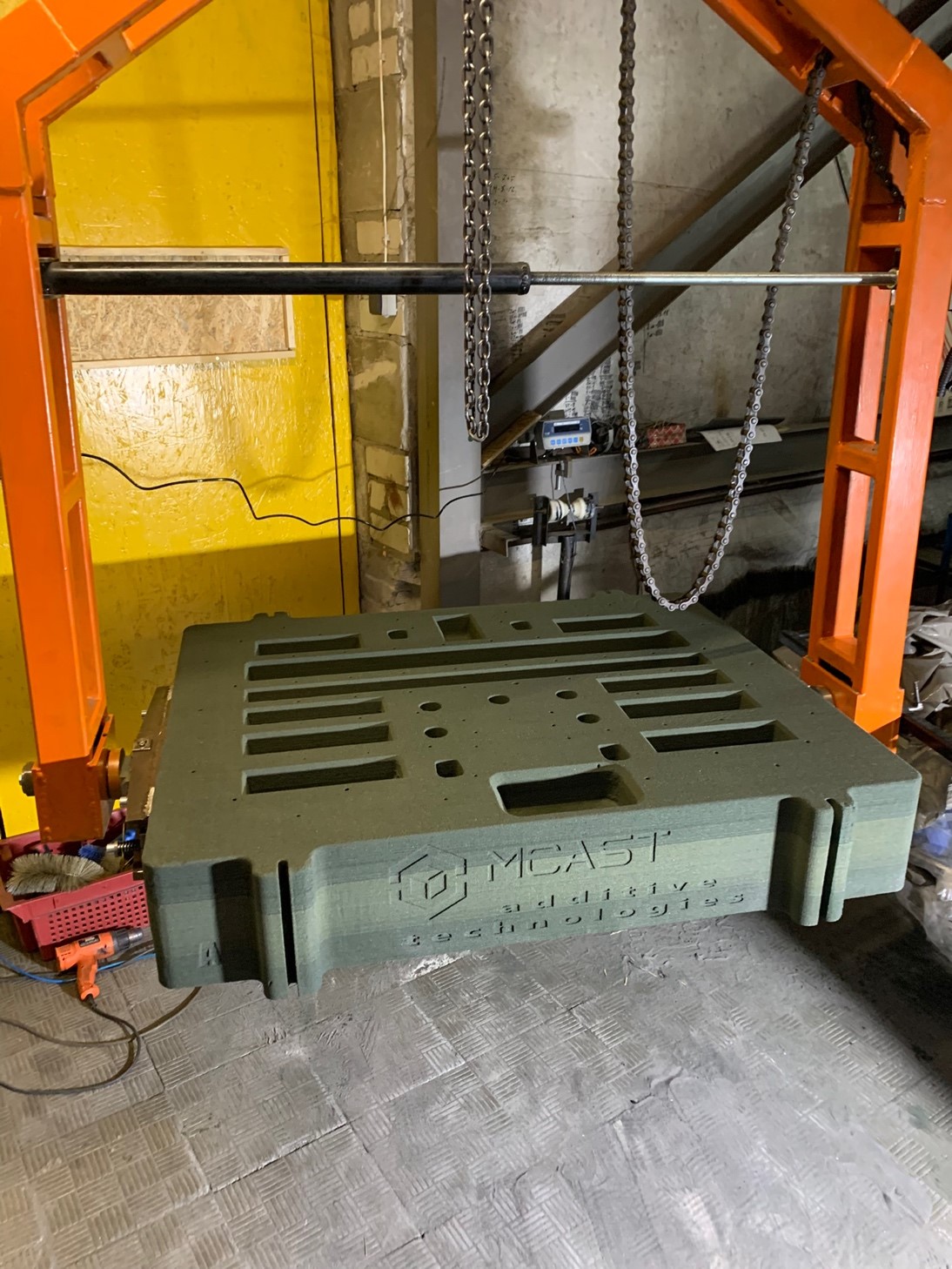
9. Cleaning
mold parts of unbound sand using a manipulator (max part weight – 300 kg).
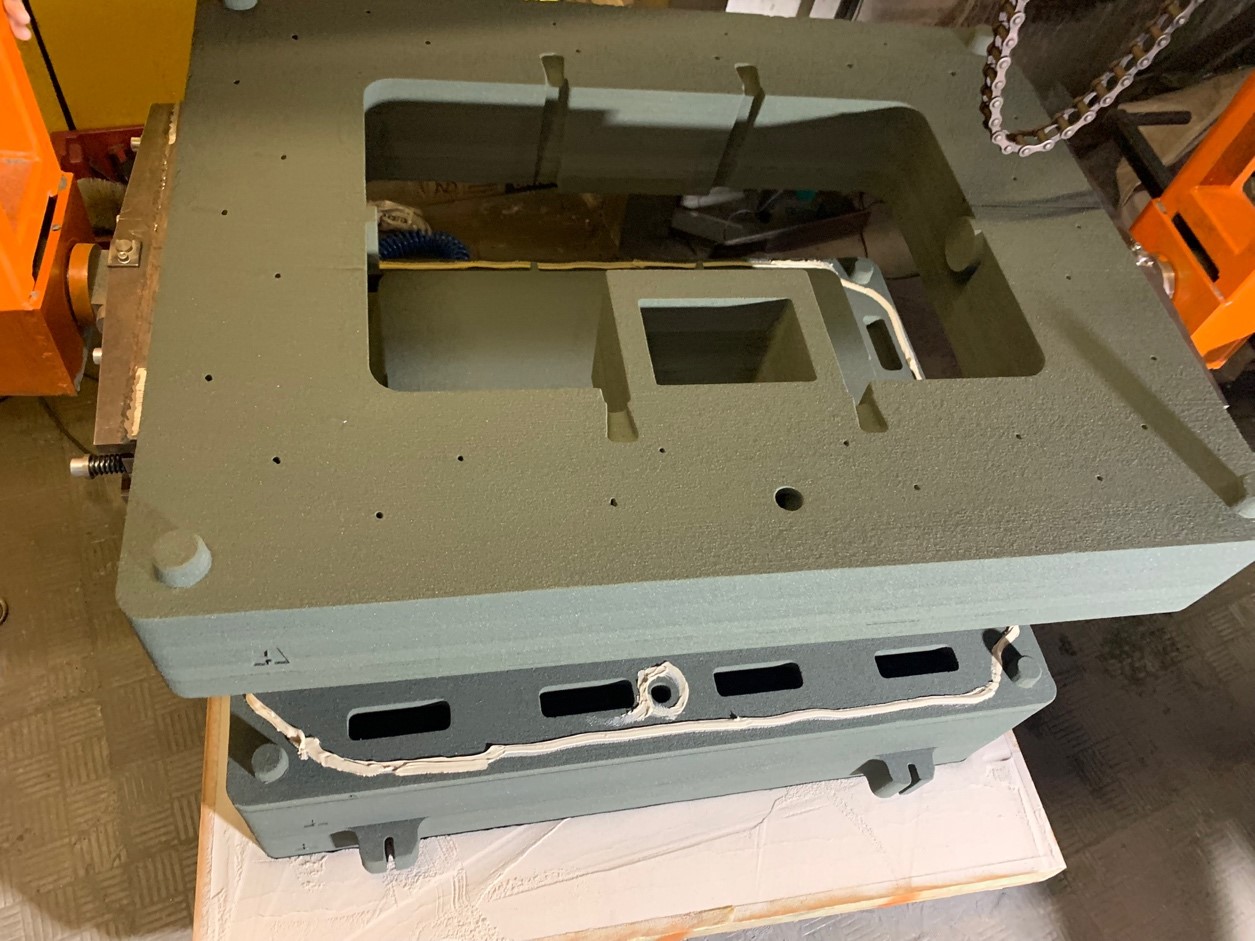
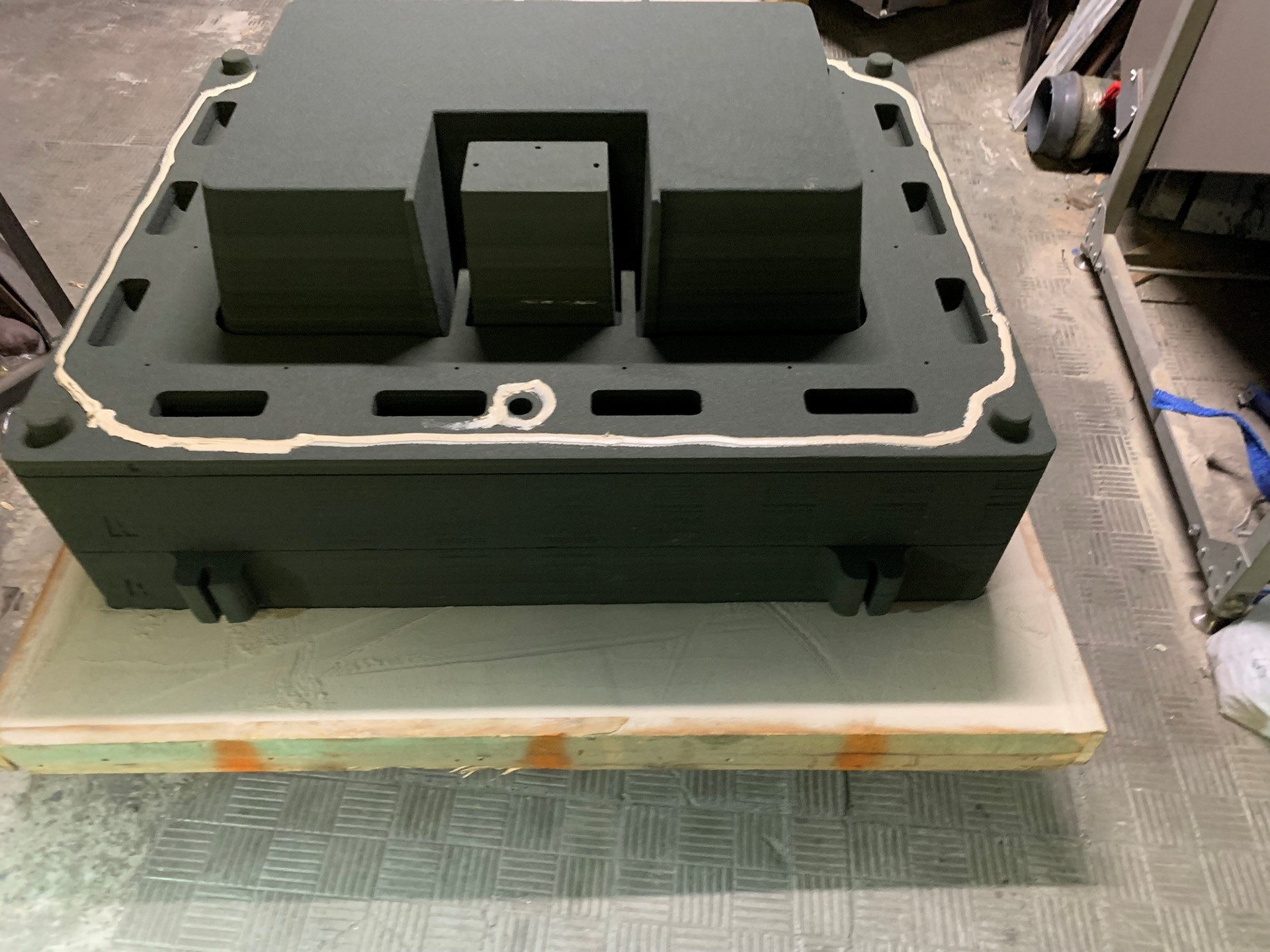
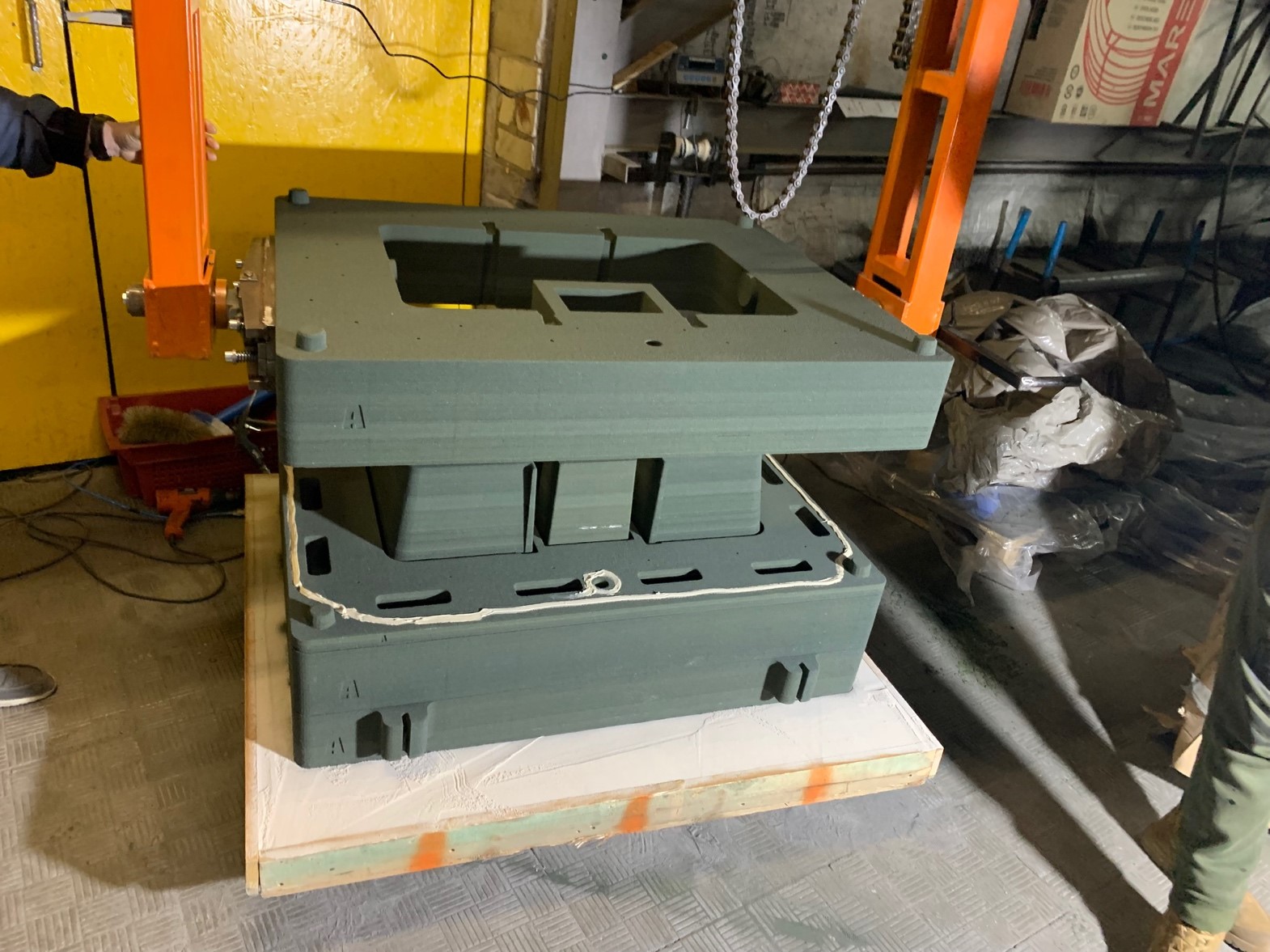
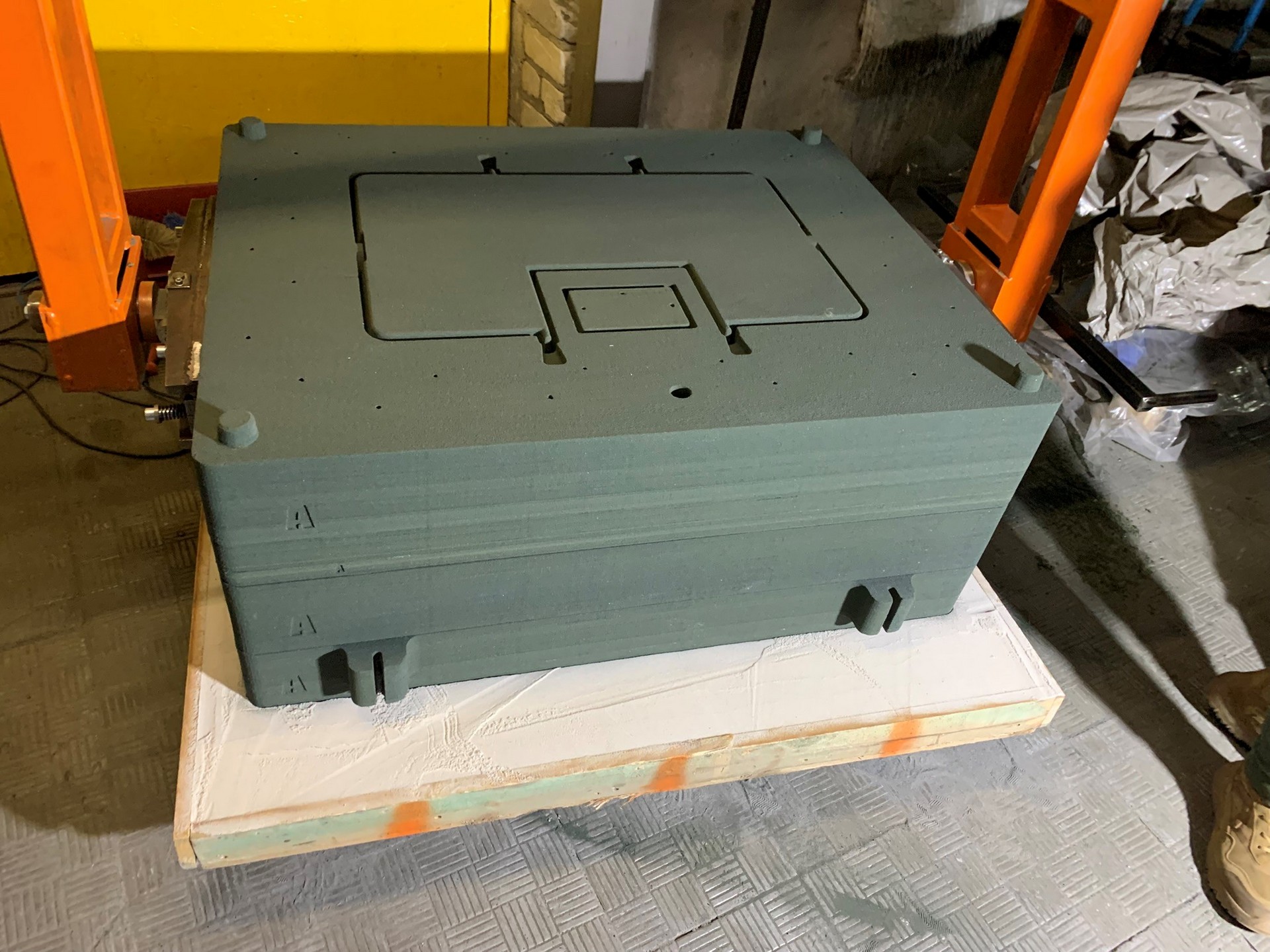
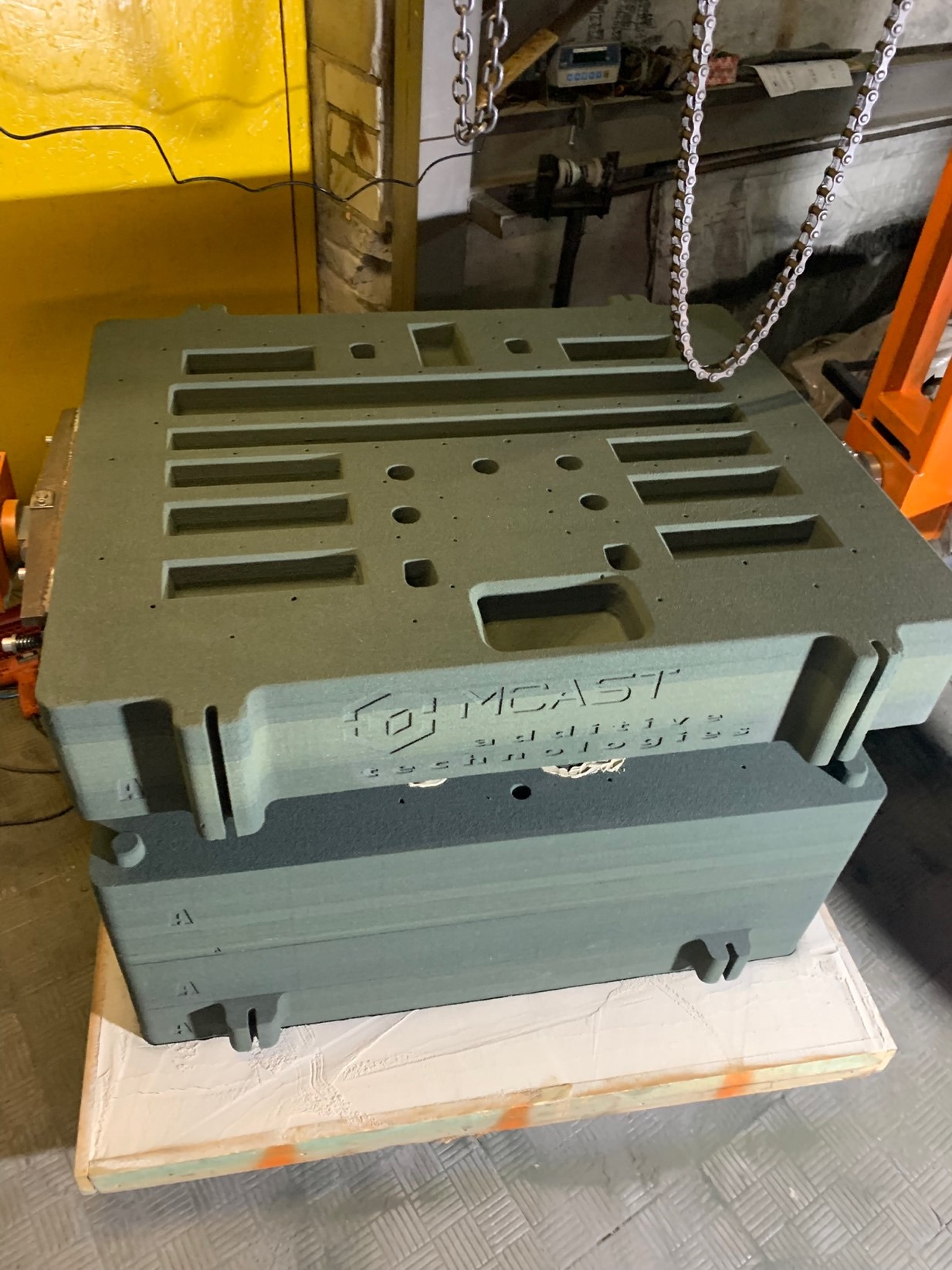
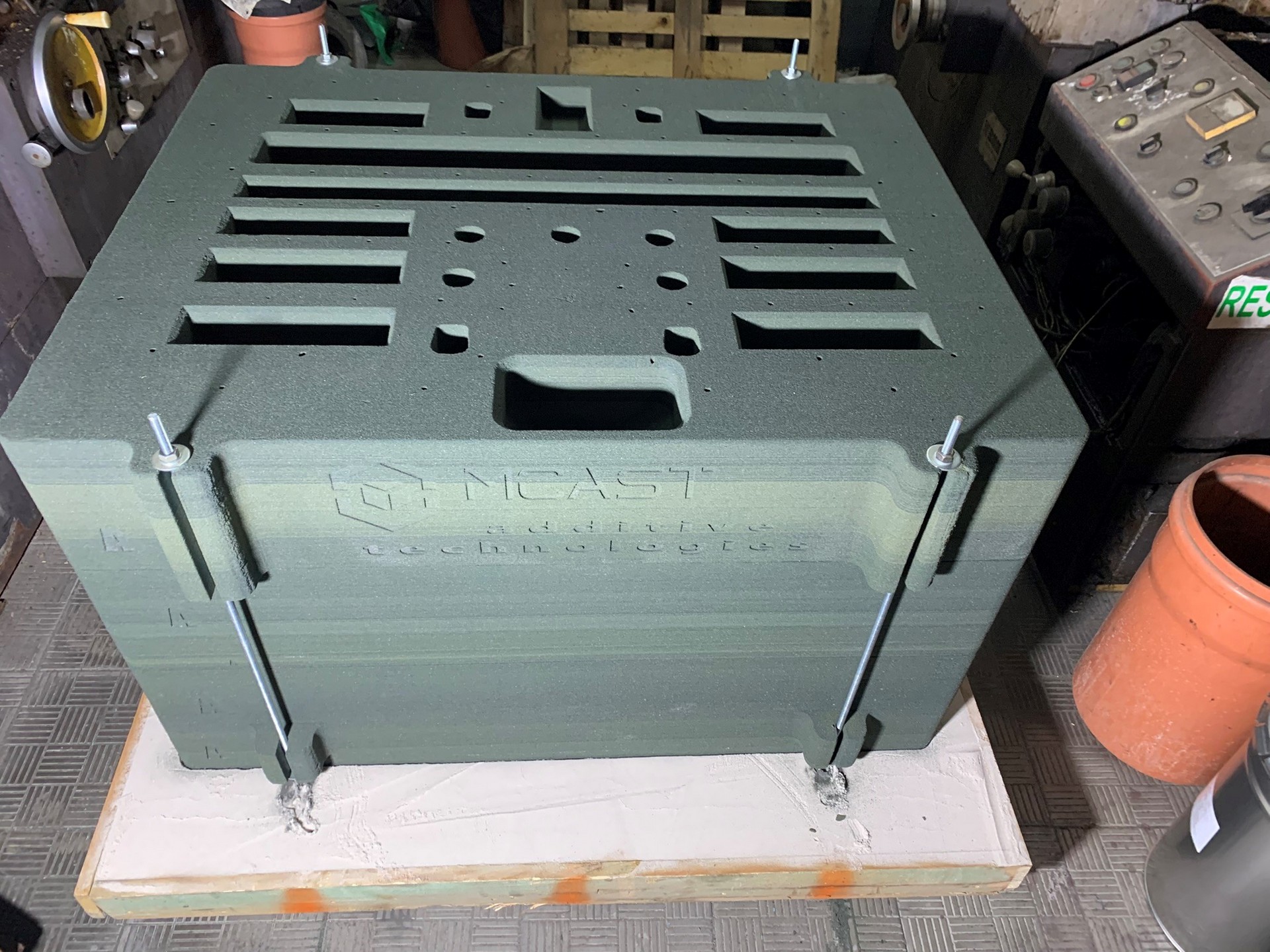
10. Assembly
of molds and cores with gluing of mating surfaces (to prevent metal leakage)
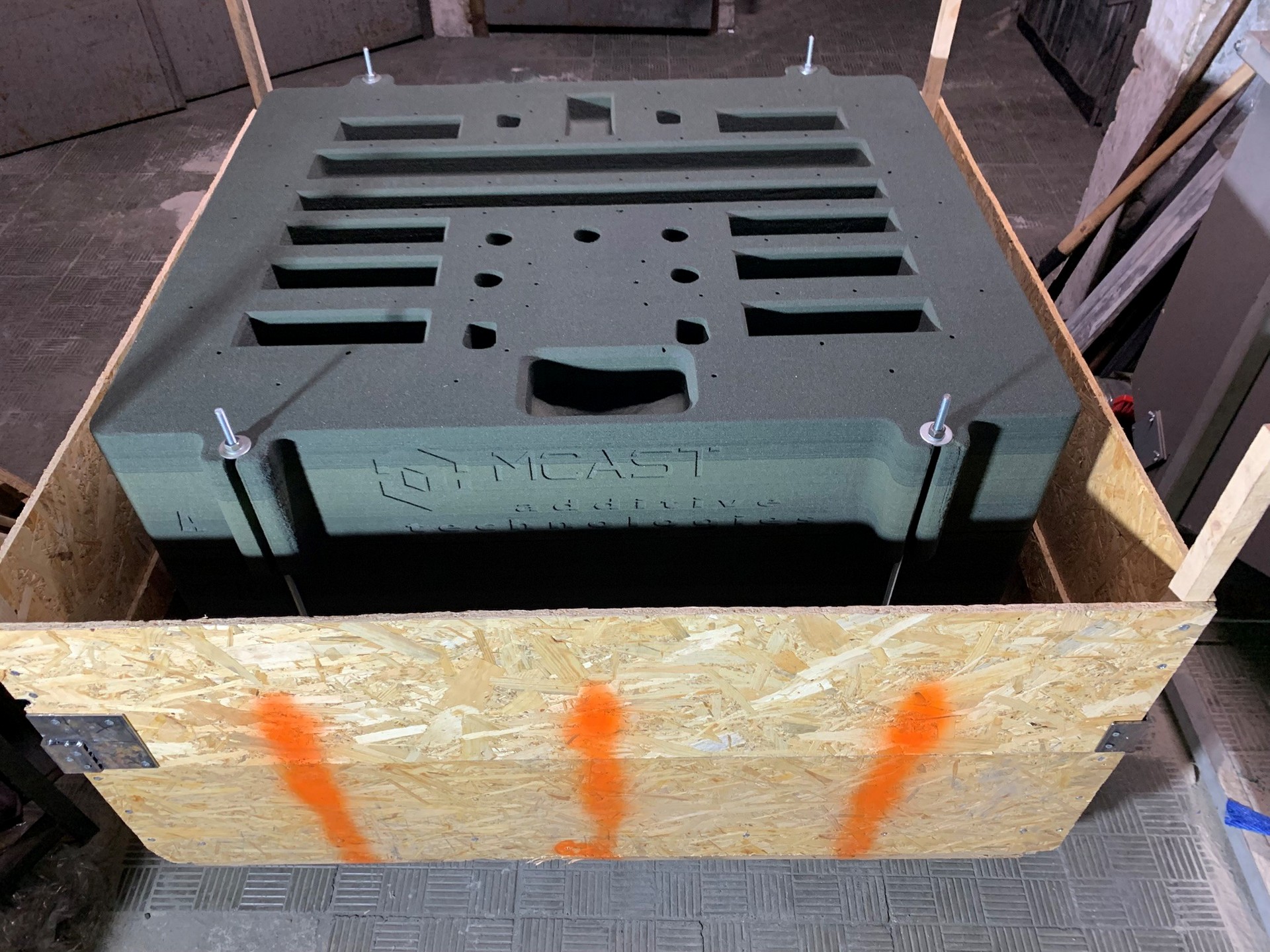
11. Packaging
of mold for transport to the casting site. Mold weight – 800 kg
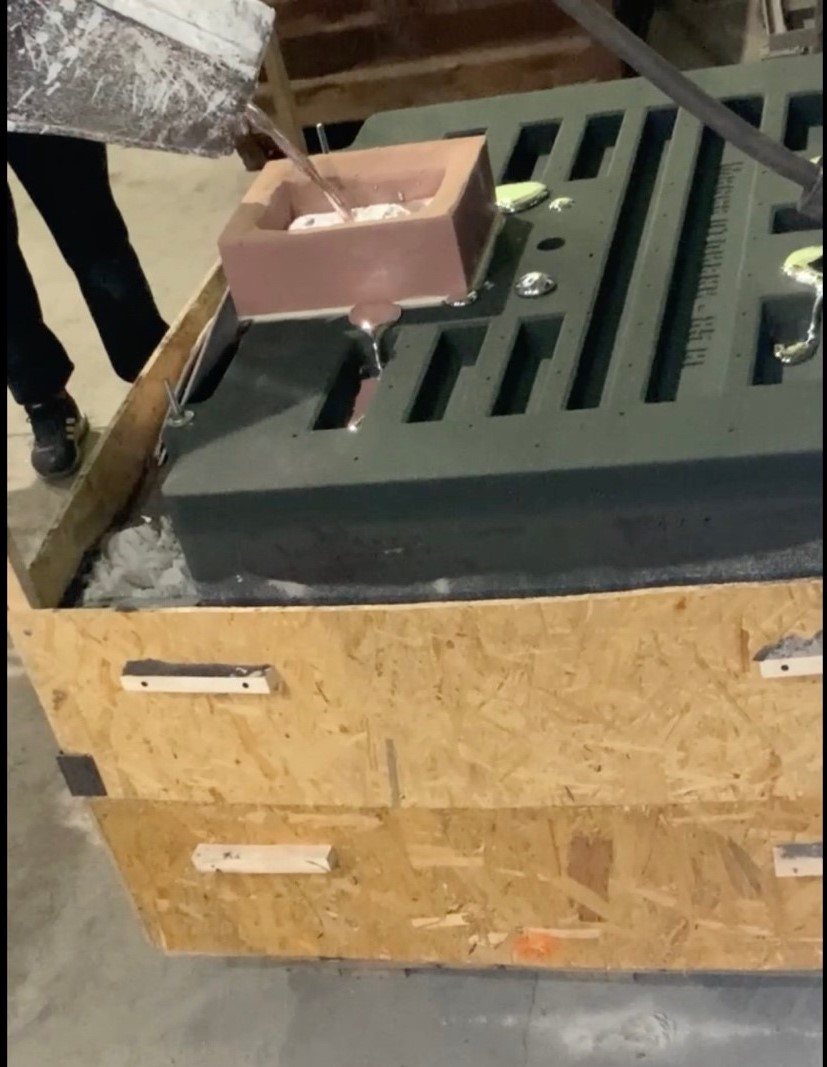
12. Casting
the mold (EN-AC AlSi9Cu3 alloy)
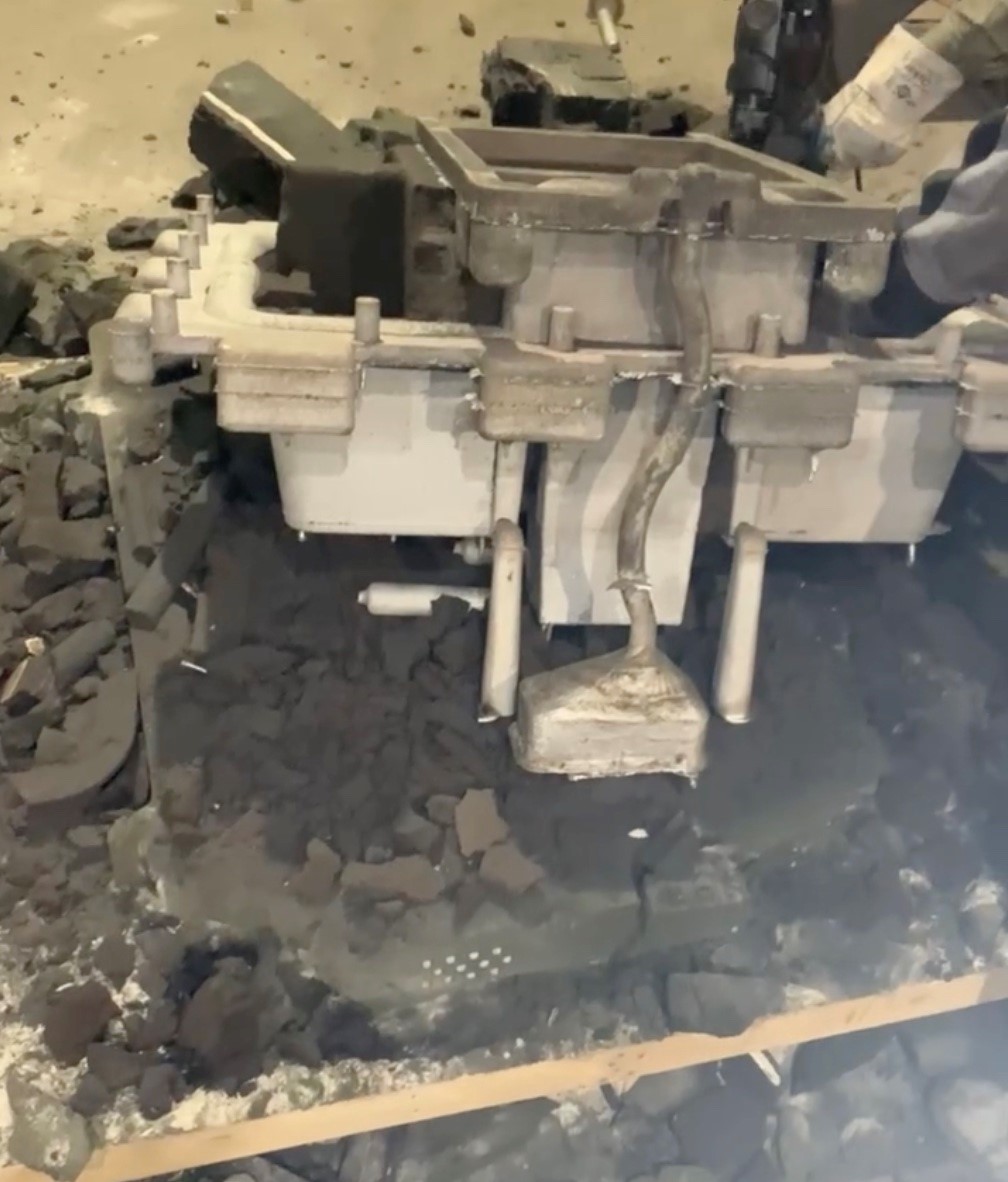
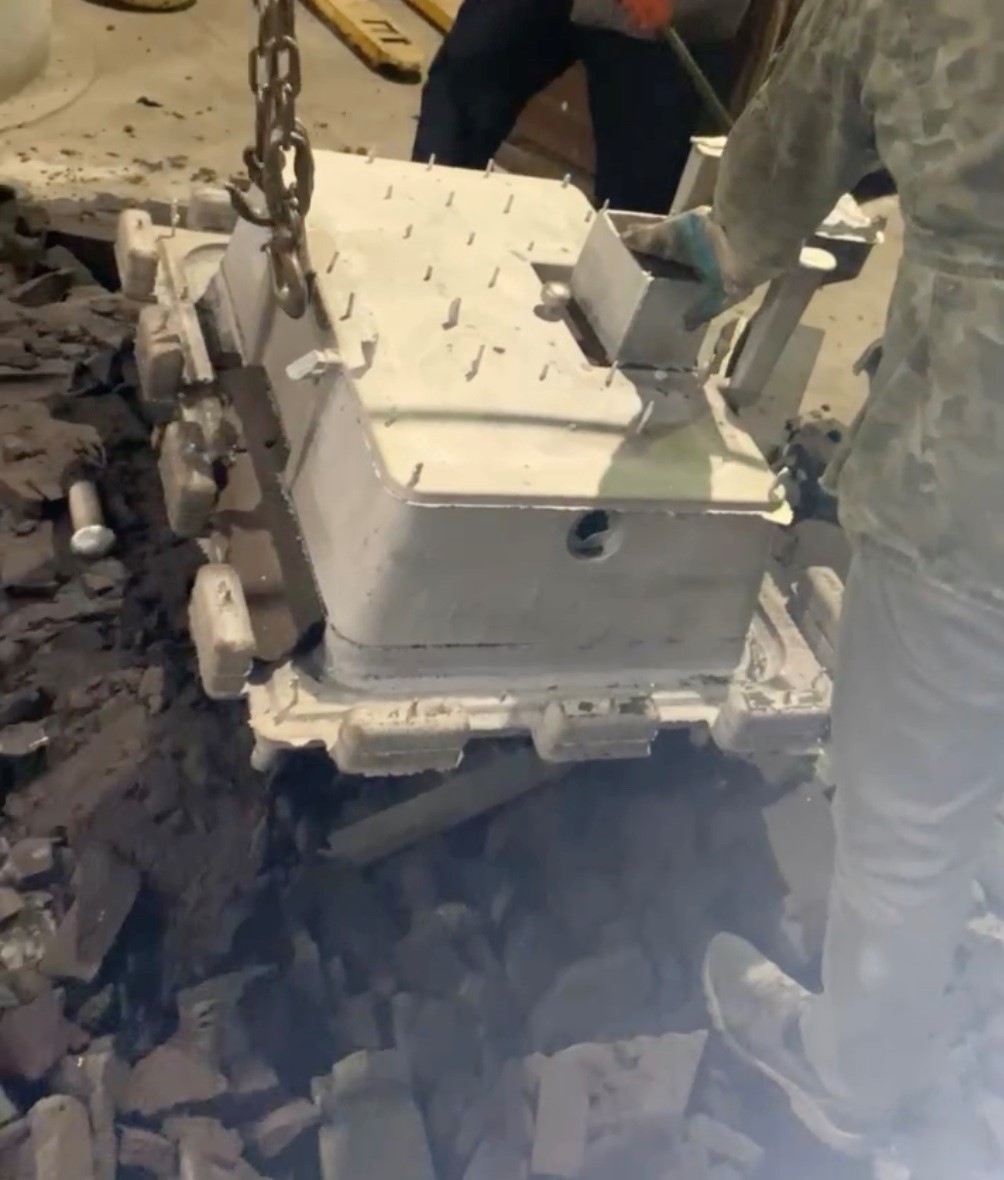
13.Shakeout
of castings
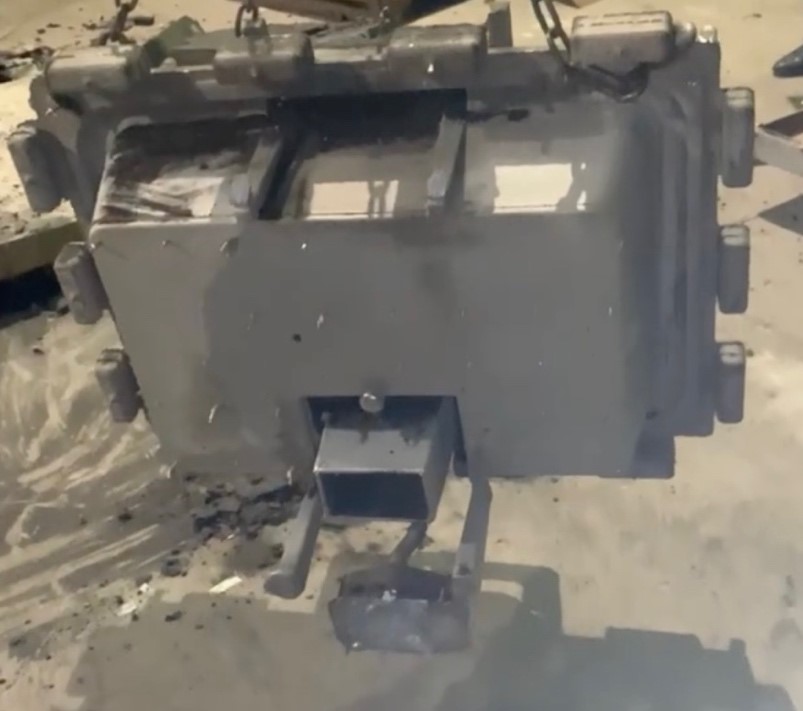
14.Casting
before gating system removal. Casting weight – 86 kg
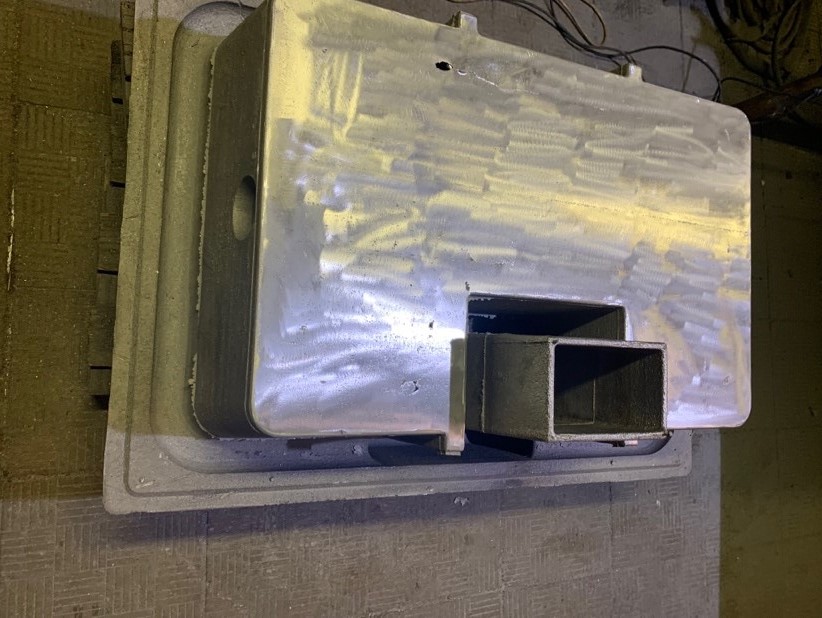
15.Casting
after gating system removal. Casting weight – 46 kg
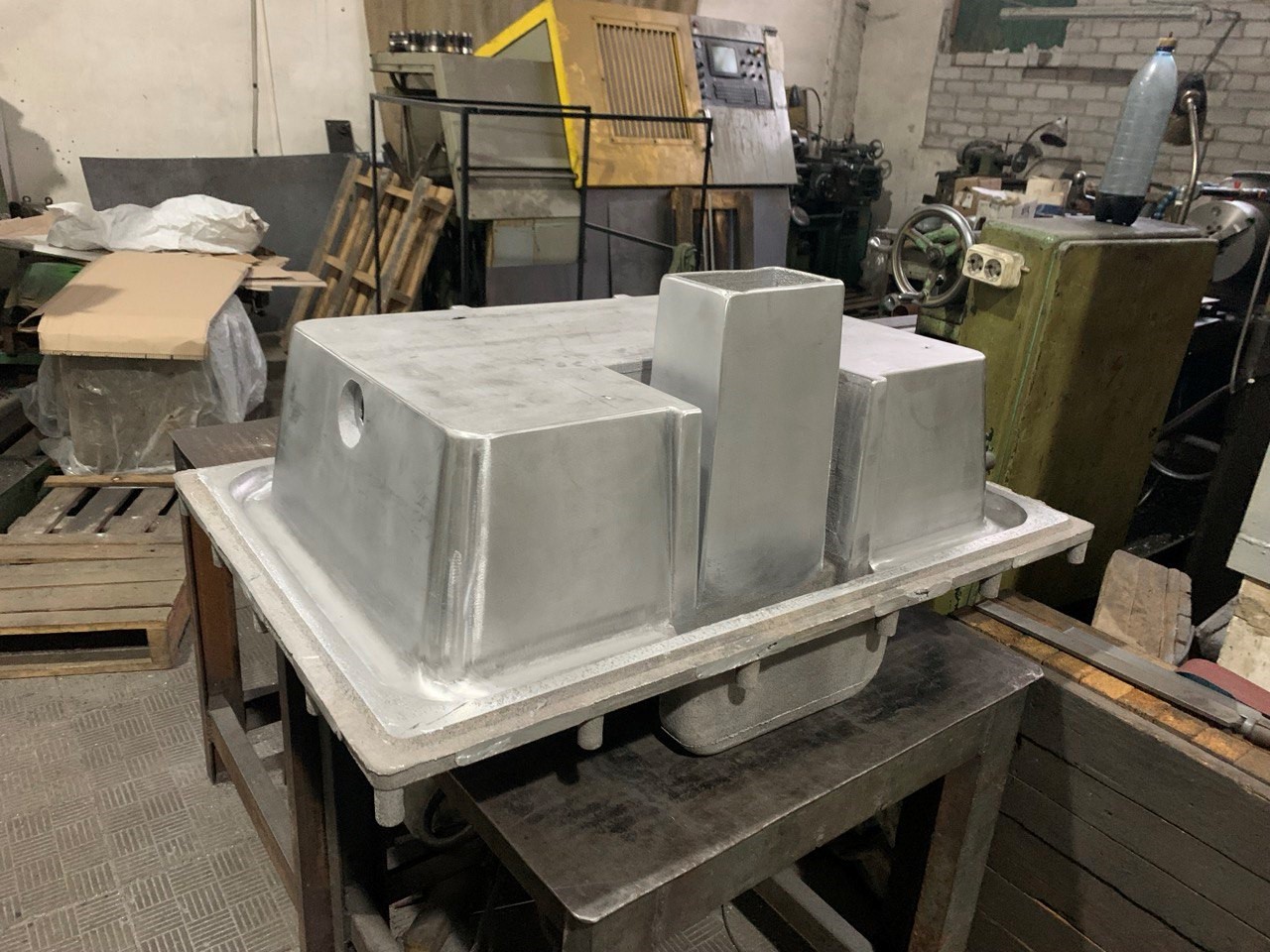
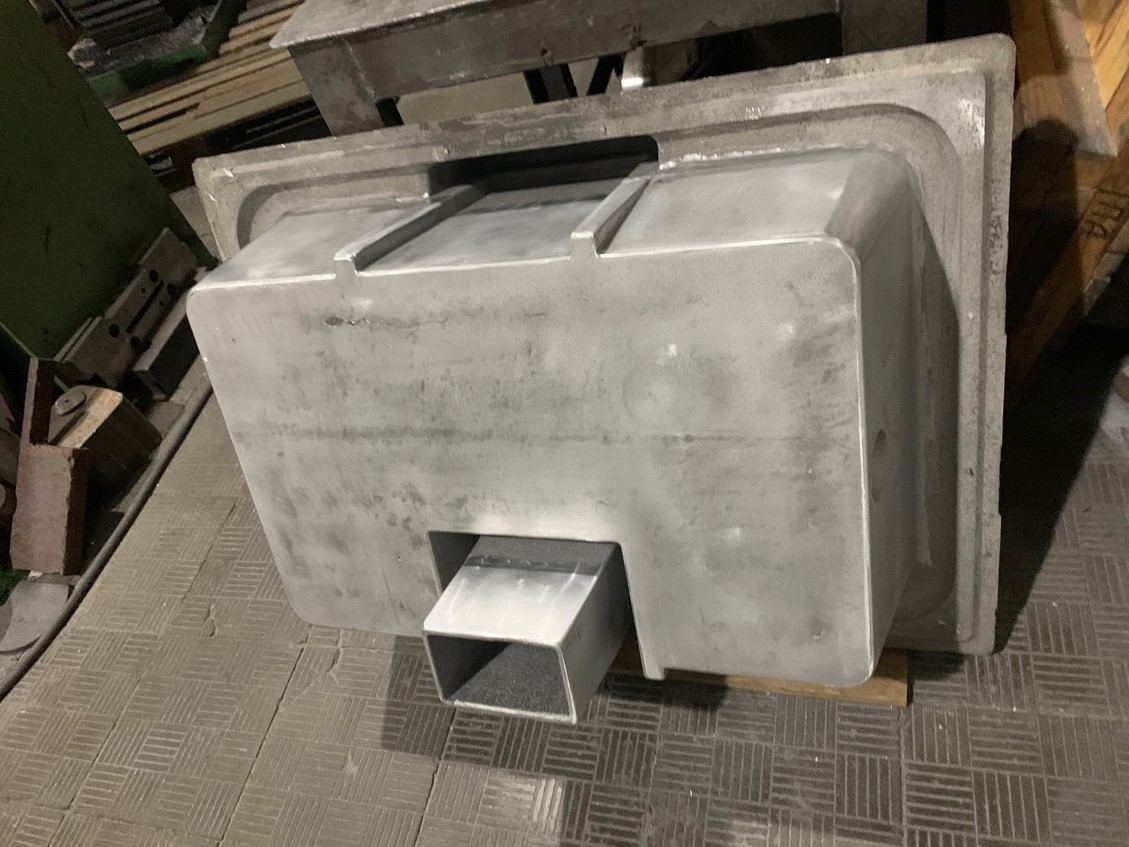
16. Grinding
and polishing of mold-forming surfaces